
TL;DR
London has no true bad month and no true peak month either. Summer brings the best weather and biggest crowds, winter brings Christmas markets and the lowest prices, and spring and autumn are the quiet-but-pleasant sweet spots. This month by month guide covers weather, events and crowd levels.
Insider Tip
May and September are the best-value months for London: weather is usually mild (15 to 20 degrees), hotel prices are noticeably below July and August, and the main attractions are less crowded. If you have flexibility, shoot for mid-May or mid-September.
London has a reputation for bad weather that is only partly deserved. The city sits in a relatively mild, maritime climate: summers rarely over 28 degrees, winters rarely below 0, rain possible every month but heavy rain uncommon. Picking the right time is less about avoiding weather and more about balancing crowds, prices and what you want to do.
This guide is month by month. For a broader look at what to do once you arrive, pair with our things to do in London guide and the budget guide.
January: Quiet, Cheap, Grey
Daytime highs 7 to 9 degrees, occasional frost. Days are short: sunrise around 8am, sunset at 4.15pm. Mostly overcast with drizzle rather than heavy rain. Hotels are at their annual low. Best for: museums, galleries, theatres, shopping.
The January Sales run through the first week, with 50-70 percent off at most department stores. Most attractions operate reduced winter hours but are open.
February: Still Quiet, Signs of Spring


Slightly milder, 8 to 10 degrees. Snowdrops and early crocuses appear in the Royal Parks. Half-term week (usually mid-February) sees a small bump in family tourists but not a surge.
Chinese New Year celebrations in Chinatown (Gerrard Street, Lisle Street) are free and fun if the date aligns with your trip. Valentine’s week spikes restaurant prices, book ahead.
March: Spring Begins
Temperatures climb to 10 to 14 degrees. Days lengthen noticeably (an extra two hours of daylight versus January). Royal Parks start filling with daffodils. St Patrick’s Day parade through central London is a free half-day event around March 17.
Good value hotel rates except around Easter, which can fall in late March. The Boat Race (Oxford vs Cambridge) along the Thames at Putney is one of London’s classic free spring events.
April: Spring Proper
Temperatures 12 to 16 degrees. Classic variable spring weather, prepare for sun-and-showers. Easter and Easter holidays mean higher prices and more families for two to three weeks.
London Marathon in late April is a spectacle, free to watch along the route. The trees in the parks are fully leafy by the middle of the month.
May: The Sweet Spot
Temperatures 15 to 19 degrees, some of the driest weather of the year, 15 hours of daylight by late May. The RHS Chelsea Flower Show (last week of May) is a headline event, tickets around £80 and book months ahead.
May bank holidays (first Monday and last Monday) bring small crowd spikes but weekdays remain pleasant. Hotel rates are mid-range rather than peak. Our vote for the best all-round month to visit.
June: Long Days, Proper Summer
Temperatures 17 to 22 degrees. Summer solstice on 21st, daylight until 9.30pm. The Open Air Theatre in Regent’s Park runs, Wimbledon fortnight starts late June. Trooping the Colour (second Saturday) is free to watch along the Mall.
Crowds rise and prices rise with them. Still one of the best months but book 2 to 3 months ahead for popular hotels.
July: Peak Season Starts
Temperatures 19 to 24 degrees, with occasional 28 to 32 degree spikes during heatwaves. School holidays start in mid to late July, pushing prices up further. Wimbledon finals, the BBC Proms at the Royal Albert Hall, and Hampton Court Palace Flower Show are the cultural headlines.
July is excellent weather-wise and busy crowd-wise. Book everything 2 to 3 months ahead. Museums can have 30 to 45 minute queues for special exhibitions.
★★★★★ VERIFIED GUEST · 5/5
“Arrived in Bayswater for mid-May and the weather was perfect, hotel prices much better than August, and Hyde Park was in full bloom across the road. Could not have timed it better.”
— L. Abbasi, verified guest at Park House Hotel
August: Busiest Month
Temperatures similar to July. All of the UK is on holiday. Visitor numbers peak, hotel prices peak, restaurants and theatres fill. Notting Hill Carnival over the August bank holiday weekend is Europe’s largest street festival, free, spectacular and genuinely crowded.
Many independent restaurants close for 1 to 2 weeks in August. If you want a specific one, check dates online.
September: The Other Sweet Spot
Temperatures 16 to 21 degrees, often with a lingering summer feel in the first half of the month. Kids are back at school, crowds drop sharply, hotel prices ease back to May levels. Open House London (mid-September) lets you into hundreds of historic buildings that are normally closed, entirely free.
Together with May, the best month of the year in my view. Book 4 to 6 weeks ahead.
October: Autumn Arrives
Temperatures 12 to 16 degrees. Autumn colour in Hyde Park, Kensington Gardens, Regent’s Park and Hampstead Heath is genuinely beautiful. Days shorten (sunset around 6pm by end of month). Frieze Art Fair in Regent’s Park early October.
Half-term week in late October brings a small family tourist bump but hotel rates stay reasonable.
November: Quiet Again, Good Deals
Temperatures 8 to 12 degrees. Lord Mayor’s Show on the second Saturday (free parade through the City), Bonfire Night (5th, firework displays in parks), and Christmas lights turn on mid-November (Regent Street, Oxford Street, Covent Garden).
Hotel rates drop back to off-season. Museums are ideal for the shorter, cooler days. Visit London lists free and paid November events.
December: Christmas London
Temperatures 5 to 9 degrees. Short days (sunset 3.50pm). Christmas markets at Hyde Park Winter Wonderland, Southbank Centre, Leicester Square and Covent Garden. Ice skating rinks at Somerset House, Natural History Museum and Hampton Court Palace. Christmas lights are at their best mid-December.
Prices spike the week before Christmas and between Christmas and New Year. The lull from 26 to 31 December has the highest restaurant premium. New Year’s Eve fireworks along the Thames are free and absolutely packed.
Month by Month Summary
Best weather: June to September.
Best crowds: January to March, November.
Best value: January, February, November.
Best sweet spot (weather + crowds + price): mid-May, mid-September.
Most magical: December, early in the month before Christmas crowds arrive.
See our day trips from London for where to go on a day out once you’re here.
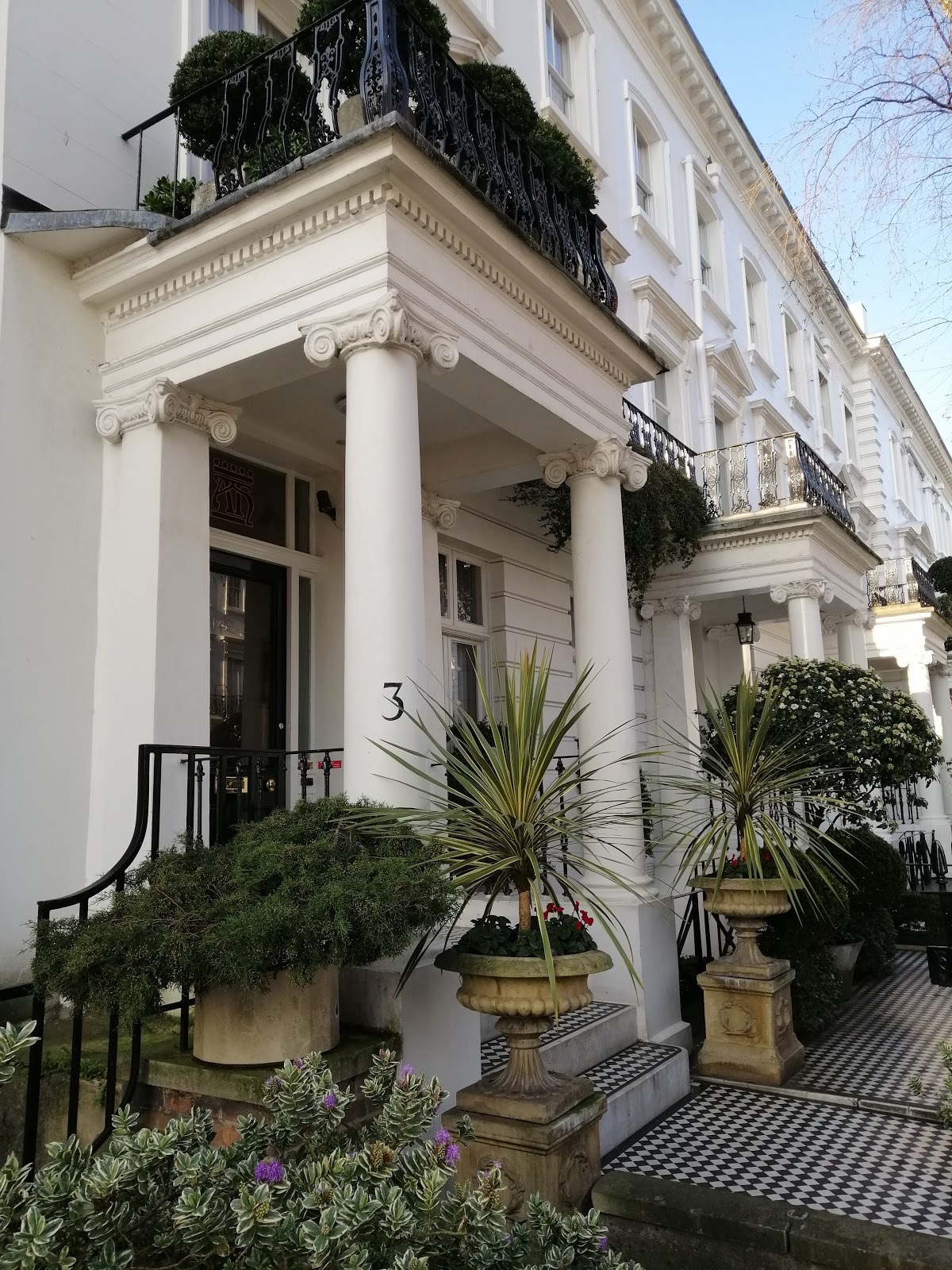
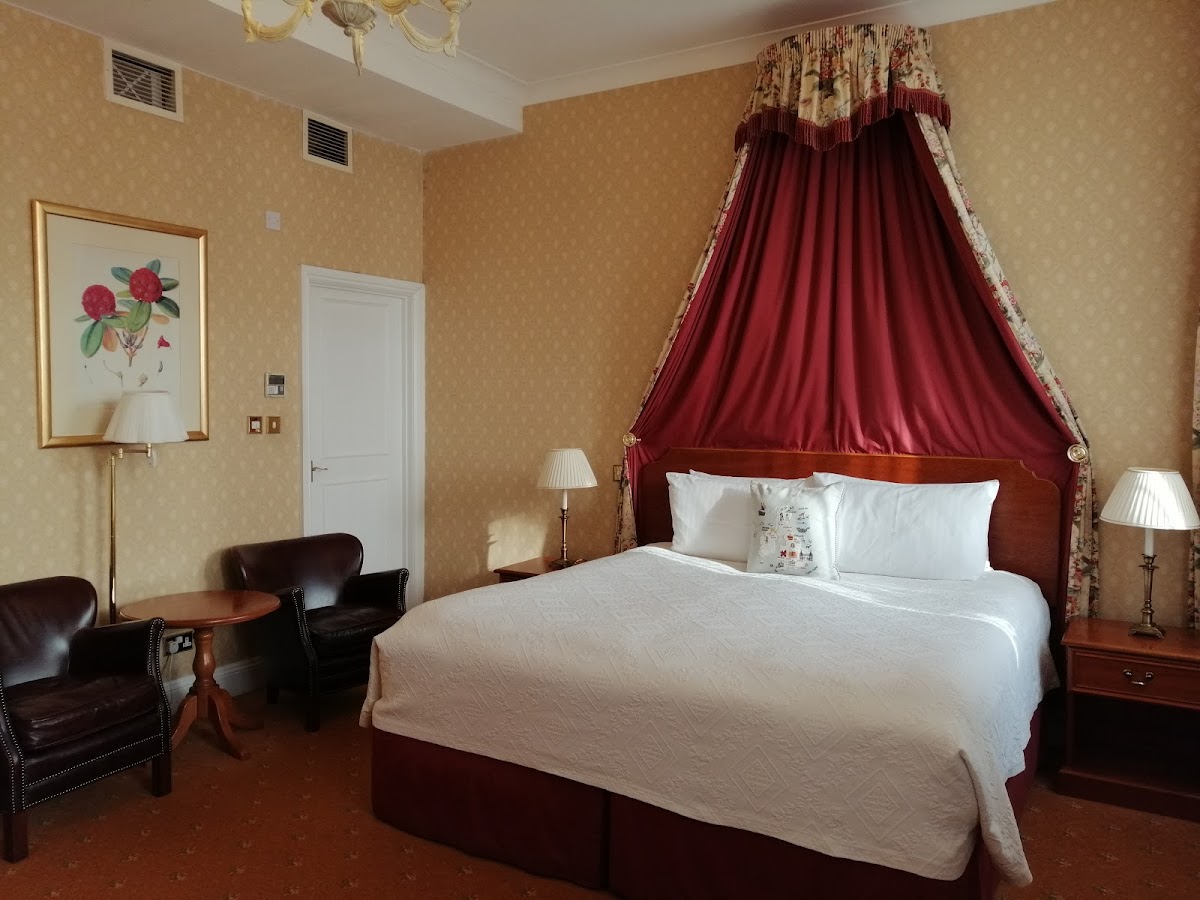
Photos from Park House Hotel
Click any photo to view the full gallery on Booking.com


AFFILIATE DISCLOSURE: This post contains Booking.com affiliate links. We may earn a small commission if you book through them, at no extra cost to you.
Ready to stay at Park House Hotel?
Check live rates and availability for Park House Hotel in Bayswater, London. A practical, well-located base on a quiet garden square, minutes from Hyde Park and Paddington Station.
Frequently Asked Questions
What is the best month to visit London?
May and September are the best balance of weather, crowds and price. June is great for long daylight. December is magical for Christmas lights and markets.
When is London cheapest?
January, February, and early November are the cheapest months for hotels. Rates typically 25 to 40 percent below peak summer. Weather is the trade-off.
What is London weather like in summer?
Mild rather than hot. Typical highs 19 to 24 degrees in June and July, occasional 28 to 32 degree heatwaves. Rain is possible every month but less frequent in summer.
Is London too cold in winter?
No, but it is short-dayed. Typical winter highs 5 to 9 degrees, rarely below freezing in the city. Days are short (sunset 4pm in December). Build indoor attractions into your plan.
Is London too crowded in summer?
July and August are busy at major attractions. Book everything 4 to 8 weeks ahead. Off-peak hours (early morning, late afternoon) help considerably.
What is the best time to visit London for good weather?
June to September is the warmest and driest stretch. June in particular often has long stretches of dry weather with highs of 20 to 24 degrees. Bring layers, evenings can cool to 12 to 15 degrees.